Tried Everything… But Home STILL Feels Like a Battle?
The routines. The rewards. The sensory toys. Trying to be more consistent. Yet you’re STILL dealing with meltdowns, overwhelm, bedtime battles or difficulty focusing — and wondering what on earth you’re missing.
There may be something you haven't been shown to look at yet...
Your home.
Because your child is taking in everything around them — the light, noise, clutter, layout and other sensory input — and their environment can either add to their overwhelm or help them feel safer, calmer and more regulated.
Tried Everything… But Home STILL Feels Like a Battle?
The routines. The rewards. The sensory toys. Trying to be more consistent. Yet you’re STILL dealing with meltdowns, overwhelm, bedtime battles or difficulty focusing- and wondering what on earth you’re missing.
There may be something you haven't been shown to look at yet...
Your home.
Because your child is taking in everything around them- the light, noise, clutter, layout and other sensory input- and their environment can either add to their overwhelm or help them feel safer, calmer and more regulated.
The Calm Home Check™
A simple 10-minute home check to uncover 10 often-overlooked things in your home that could be adding to your child's sensory overload-and what you can do about them.
Spot hidden triggers that could be contributing to meltdowns, poor focus or sleep struggles
Know what to change first to reduce overwhelm — without having to redesign your whole home
Create a calmer, more supportive home where your child can regulate, focus and sleep more easily — and family life feels calmer too

The Calm Home Check™
A simple 10-minute home check to uncover 10 often-overlooked things in your home that could be adding to your child's sensory overload-and what you can do about them.
Spot hidden triggers that could be contributing to meltdowns, poor focus or sleep struggles
Know what to change first to reduce overwhelm — without having to redesign your whole home
Create a calmer, more supportive home where your child can regulate, focus and sleep more easily — and family life feels calmer too
The Calm Home Check™
I’ve created a simple 10-minute home check to help you uncover 10 often-overlooked things in your home that could be contributing to your child’s overwhelm- and discover what you can do about them.
Spot hidden triggers that could be contributing to meltdowns, poor focus or sleep struggles
Know what to change first to reduce overwhelm- without having to redesign your whole home
Create a calmer, more supportive home where your child can regulate, focus and sleep more easily- and family life feels calmer too
Imagine If Home Felt a Little Easier...
What Could More Calm Actually Look Like?

Imagine spotting what’s overwhelming your child before it tips into a meltdown.
Knowing what in their environment might be making it harder for them to settle, focus or cope — and finally knowing what to change.
Bedtime feeling less like another battle.
Your child having somewhere they can genuinely decompress after school.
And you? Less walking on eggshells. Less second-guessing every decision. More confidence because you finally know what to look for — and where to start.
And this isn't just about making a home look calmer...
Sensory-friendly environments are increasingly being recognised as an important part of supporting neurodivergent children.
In fact, the UK Government is investing billions in specialist SEND provision, including calming spaces for children with needs such as autism and ADHD who may become overstimulated in busy school environments. New guidance also encourages schools to consider lighting, acoustics, sensory-friendly spaces and quiet areas as part of creating more inclusive environments.
We’re changing the environments where our children learn.
So if we recognise that their surroundings can affect how overwhelmed, comfortable and able to focus they feel…
Why would we stop at the front door?
Home is where your child comes to decompress. To feel safe. To regulate. To rest. To sleep.
And when you begin to understand how their surroundings may be affecting them, your home can become another powerful everyday tool for supporting their wellbeing.
Imagine If Home Felt a Little Easier...
What Could More Calm Actually Look Like?
Imagine spotting what’s overwhelming your child before it turns into a meltdown.
Knowing what in their environment might be making it harder for them to settle, focus or cope- and finally knowing what to change.
Bedtime feeling less like another battle.
Your child having somewhere they can genuinely decompress after school.
And you? Less walking on eggshells. Less second-guessing every decision. More confidence because you finally know what to look for- and where to start.
And this isn't just about making a home look calmer...
Sensory-friendly environments are increasingly being recognised as an important part of supporting neurodivergent children.
In fact, the UK Government is investing billions in specialist SEND provision, including calming spaces for children with needs such as autism and ADHD who may become overstimulated in busy school environments. New guidance also encourages schools to consider lighting, acoustics, sensory-friendly spaces and quiet areas as part of creating more inclusive environments.
We’re changing the environments where our children learn.
So if we recognise that their surroundings can affect how overwhelmed, comfortable and able to focus they feel…
Why would we stop at the front door?
Home is where your child comes to decompress. To feel safe. To regulate. To rest. To sleep.
And when you begin to understand how their surroundings may be affecting them, your home can become another powerful everyday tool for supporting their wellbeing.
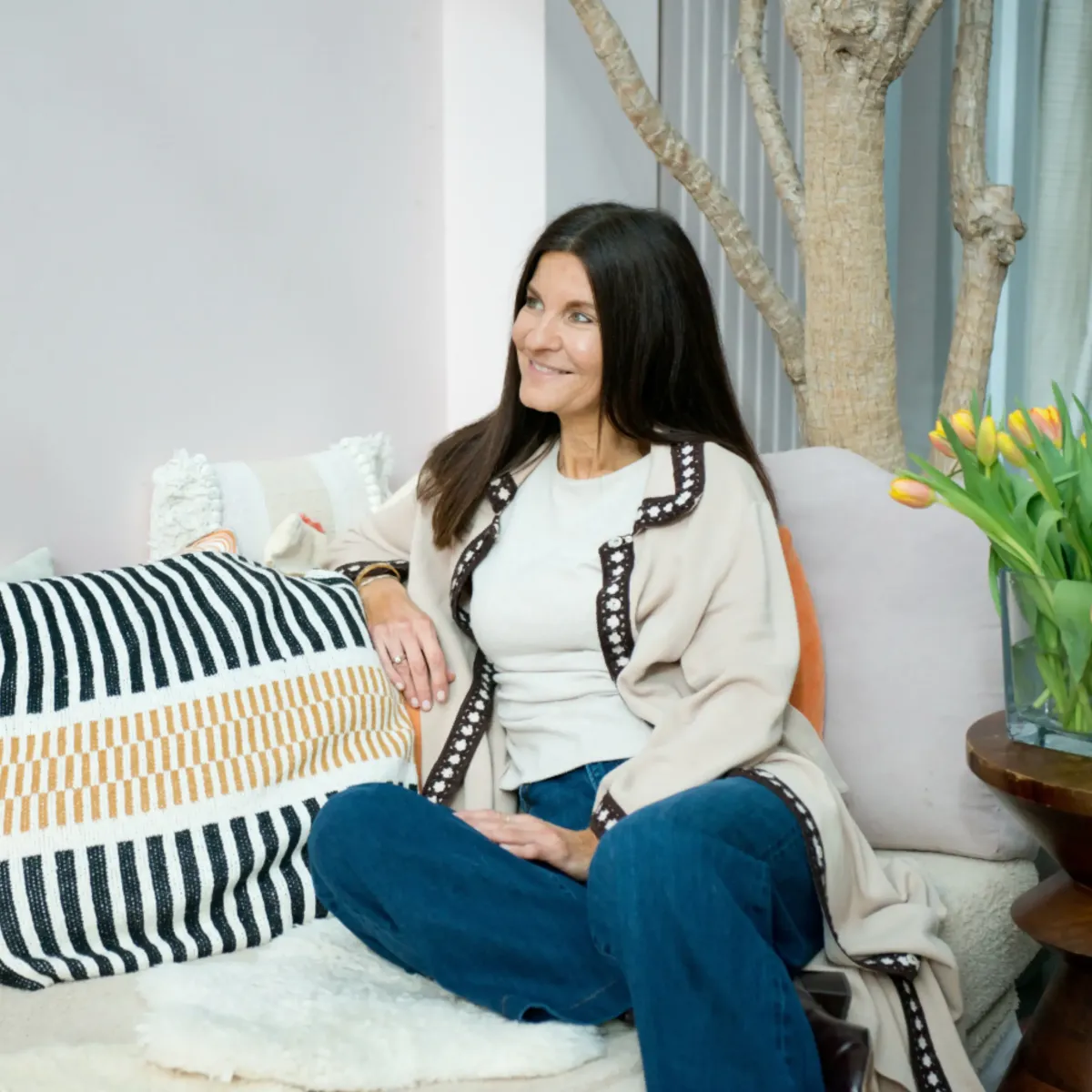
Hi, I'm Natasha
I’m an interior designer with 20+ years’ experience designing homes in London, Hong Kong and Brighton, now specialising in sensory-focused design for neurodivergent families.
But for me, a home isn’t just about how it looks — it’s about how it feels to live in.
I help families spot the everyday things in their surroundings that are easy to miss, but may be adding to a child’s overwhelm — and discover simple, practical changes that can help them feel calmer, more regulated and better able to focus, rest and sleep.
Because sometimes it’s not about trying another strategy with your child. It’s about looking at what’s happening around them.
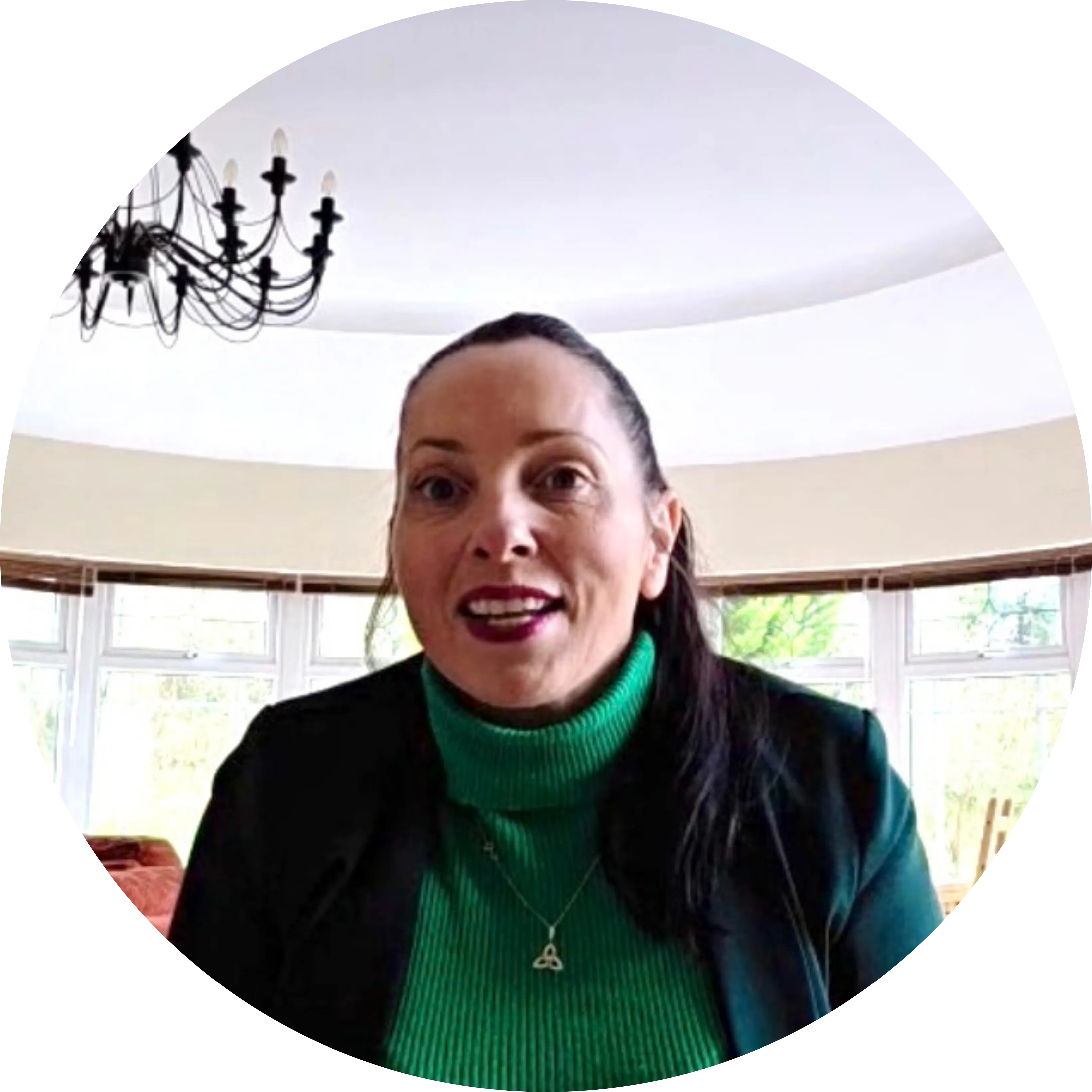

Hi, I'm Natasha
I’m an interior designer with 20+ years’ experience designing homes in London, Hong Kong and Brighton, now specialising in sensory-focused design for neurodivergent families.
But for me, a home isn’t just about how it looks — it’s about how it feels to live in.
I help families spot the everyday things in their surroundings that are easy to miss, but may be adding to a child’s overwhelm — and discover simple, practical changes that can help them feel calmer, more regulated and better able to focus, rest and sleep.
Because sometimes it’s not about trying another strategy with your child. It’s about looking at what’s happening around them.
Hi, I'm Natasha
I’m an interior designer with 20+ years’ experience designing homes in London, Hong Kong and Brighton, now specialising in sensory-focused design for neurodivergent families.
But for me, a home isn’t just about how it looks- it’s about how it feels to live in.
I help families spot the everyday things in their surroundings that are easy to miss, but may be adding to a child’s overwhelm- and discover simple, practical changes that can help them feel calmer, more regulated and better able to focus, rest and sleep.
Because sometimes it’s not about trying another strategy with your child. It’s about looking at what’s happening around them.
Ready To Look At Your Home Differently?
You don't need to change everything. Start by discovering what your child may be responding to — and the simple changes that could make home feel easier.
10 simple checks. 10 minutes.
Ready To Look At Your Home Differently?
You don't need to change everything. Start by discovering what your child may be responding to —
and the simple changes that could make home feel easier.
10 simple checks. 10 minutes.
Ready To Look At Your Home Differently?
You don't need to change everything. Start by discovering what your child may be responding to-
and the simple changes that could make home feel easier.
10 simple checks. 10 minutes.
Small changes. A calmer tomorrow.

© 2026 The Sensory Haven. All Rights Reserved.